Industries

Titanium, Electrochemical & Hydrogen Solutions by Industry

Every enquiry starts with the medium, the duty and the way the part fails in service. We review those three things first, because they decide the material, the coating and the geometry long before a product name does. The sectors below are the ones where we already know which questions control the outcome.

Positioning

Industry Is the Starting Point—Not the Specification

A sector tells us which variables usually dominate the decision. It does not tell us the grade, the coating, the geometry or the inspection scope. Those are set by the medium, the duty and the failure mode, and they are confirmed in the same technical review for every order.

  • Start from the service condition Medium, temperature, pressure, current density and the expected failure mode decide the route.
  • Select by application, not by grade name A grade or coating is only correct against a defined operating basis, never on its own.
  • Confirm evidence before the order Documentation, inspection and acceptance criteria are agreed while the quotation is being prepared.
  • Keep the responsibility boundary visible Design approval, code compliance and application suitability stay with the buyer unless the contract states otherwise.
Technical Routes

Three Technical Routes, Selected by Application

The industry matrix below tells you which duty dominates. These three routes tell you how that duty is technically answered.

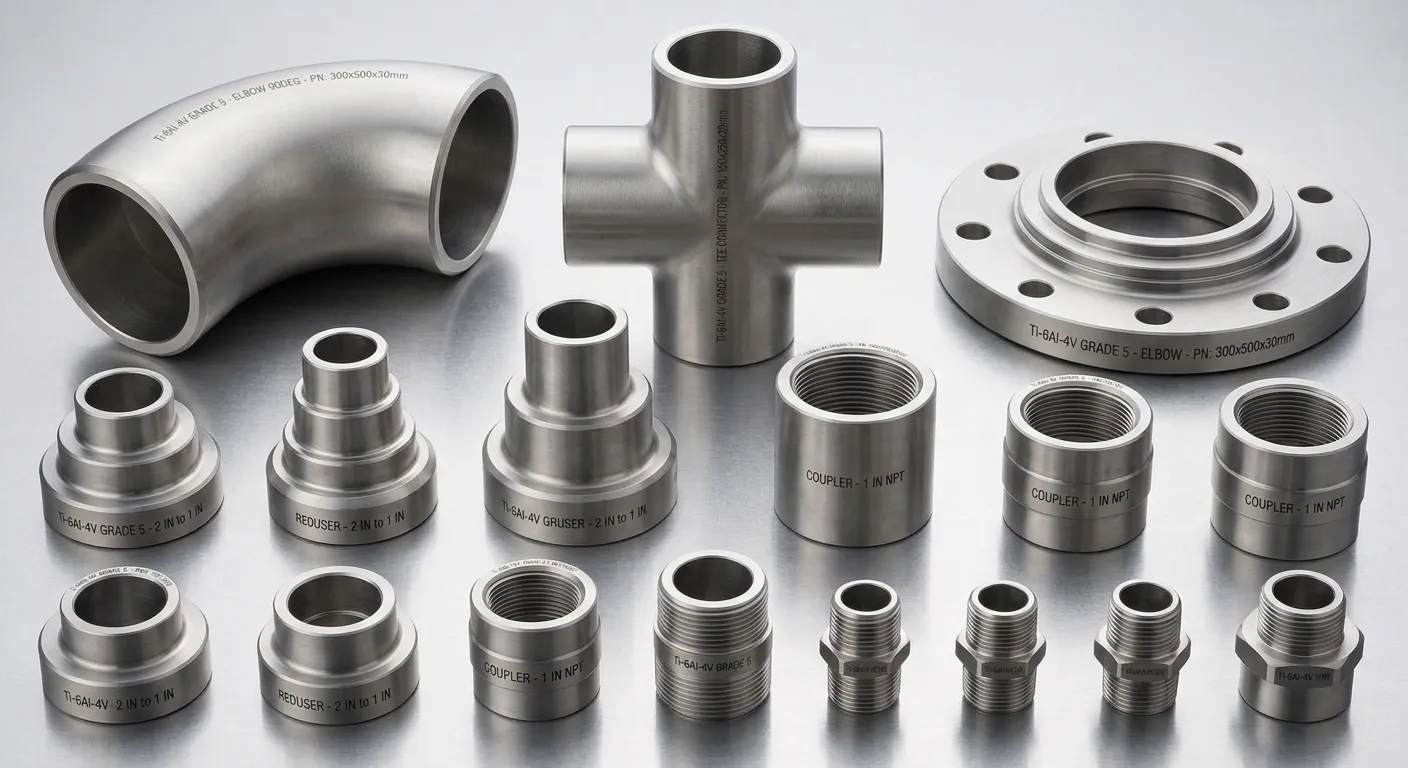
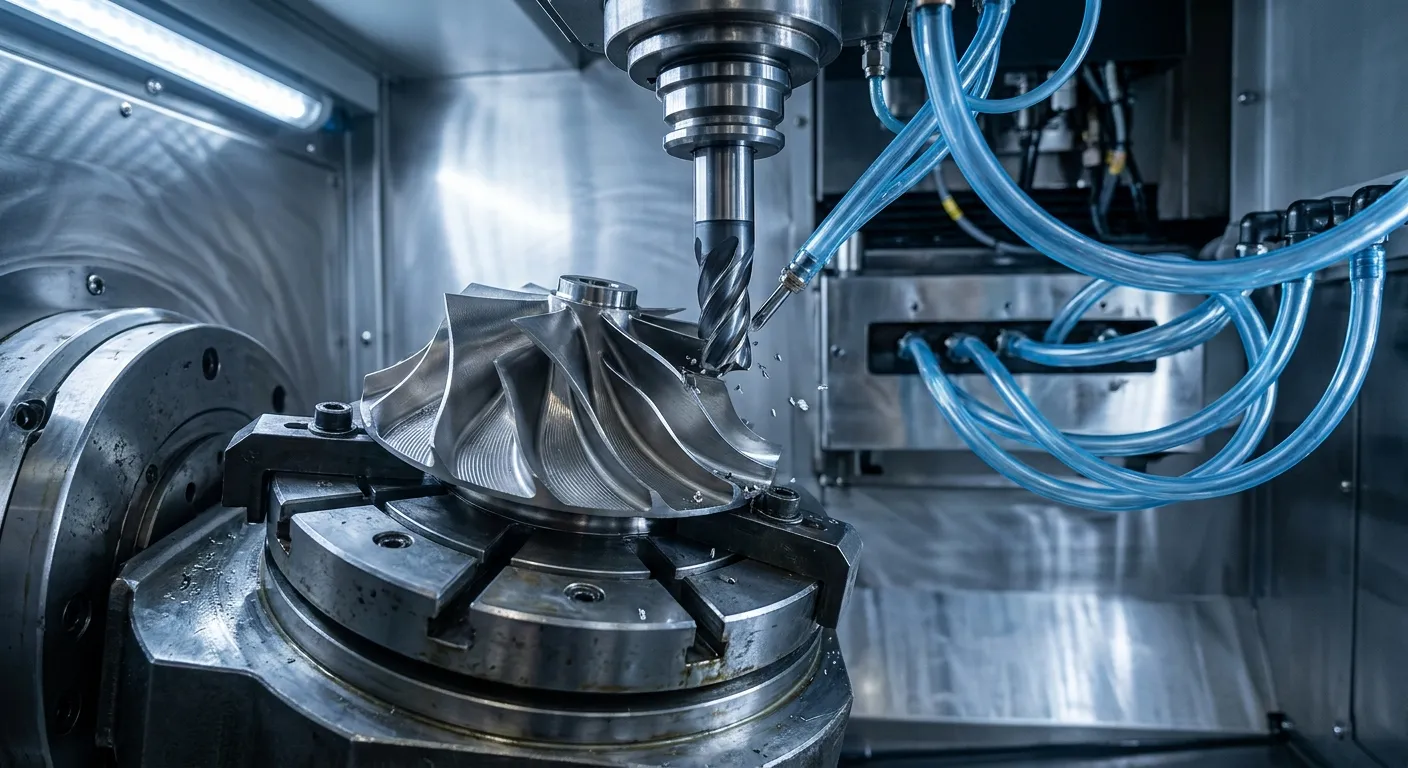
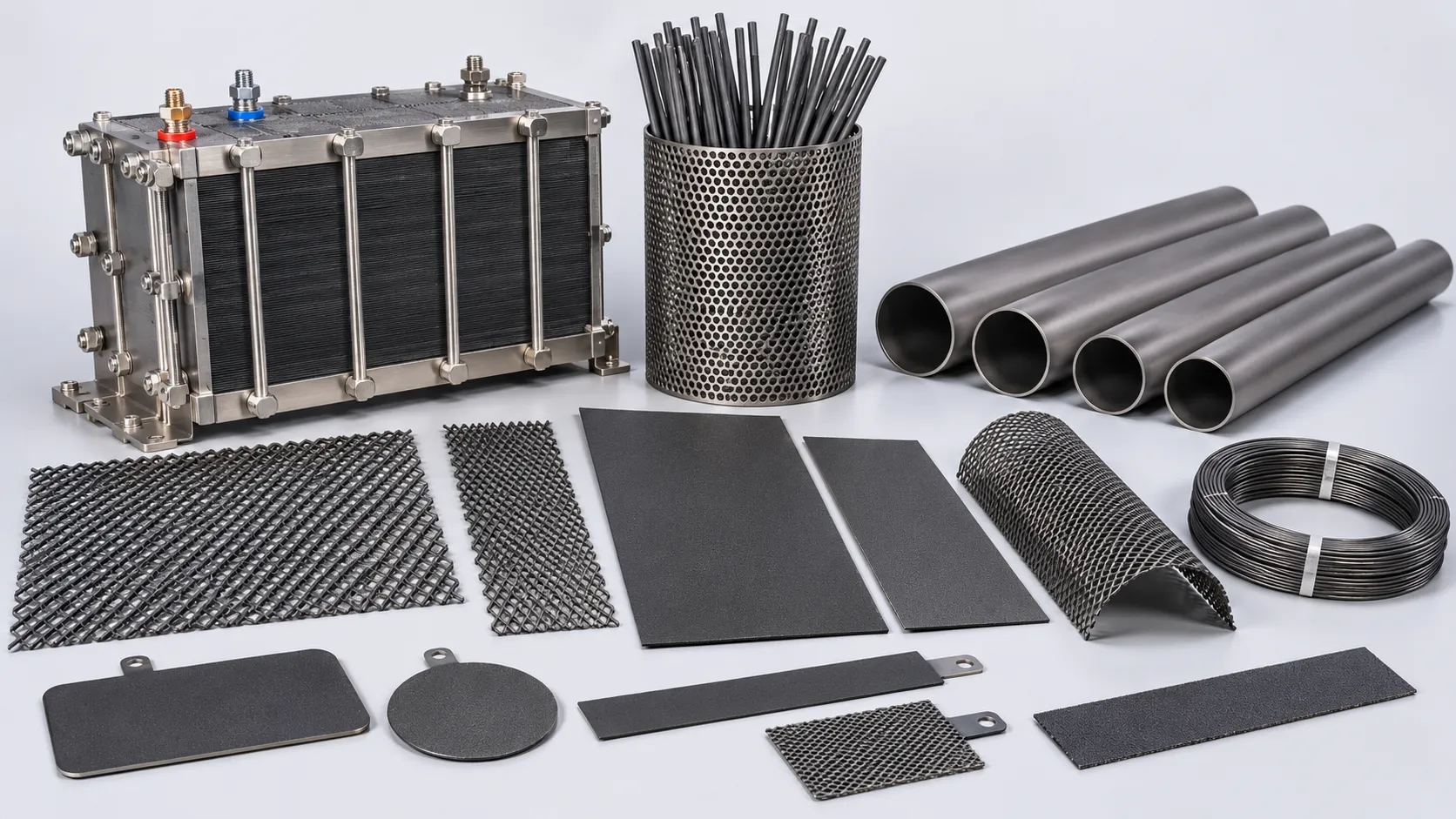
Titanium Products & Machined Parts

Mill forms, semi-finished products and machined components for corrosive, high-load and high-purity duty.

  • Plate, sheet, coil, bar, tube, wire and mesh
  • Fittings, flanges, forgings and titanium-clad copper
  • CNC machined parts to drawing, with datums and inspection scope defined
View the range

Electrochemical Anodes

Coated and uncoated anodes for electrolysis, plating and cathodic protection duty.

  • MMO titanium anodes by geometry, from linear to wire
  • Platinised and specialty coated anodes
  • Cathodic protection, reference electrodes and anti-fouling systems
View the range

Hydrogen & Electrolysis Systems

PEM stacks, packaged generators and on-site electrolysis packages for hydrogen and chlorine duty.

  • PEM electrolyzer stacks, bipolar plates and frames
  • Laboratory, mid-range and industrial packaged systems
  • On-site hydrogen, salt chlorination and hypochlorite generation
View the range
Industry Matrix

Explore Solutions by Industrial Process and Operating Risk

Each sector is reviewed against the failure it actually sees in service, and matched to the route that addresses it.

Chemical & Industrial Processing

Chemical & Industrial Processing

Corrosive process service, heat exchange and containment equipment.

Operating pain point

Chloride-bearing or reducing process media attack carbon steel and stainless within one process cycle, and weld heat tint opens the corrosion path.

Typical matched solution

Grade 2 titanium plate, seamless tube and fittings selected against the actual medium, with clad copper bimetal where the duty needs a copper-backed approach.

Review Chemical & Industrial Processing
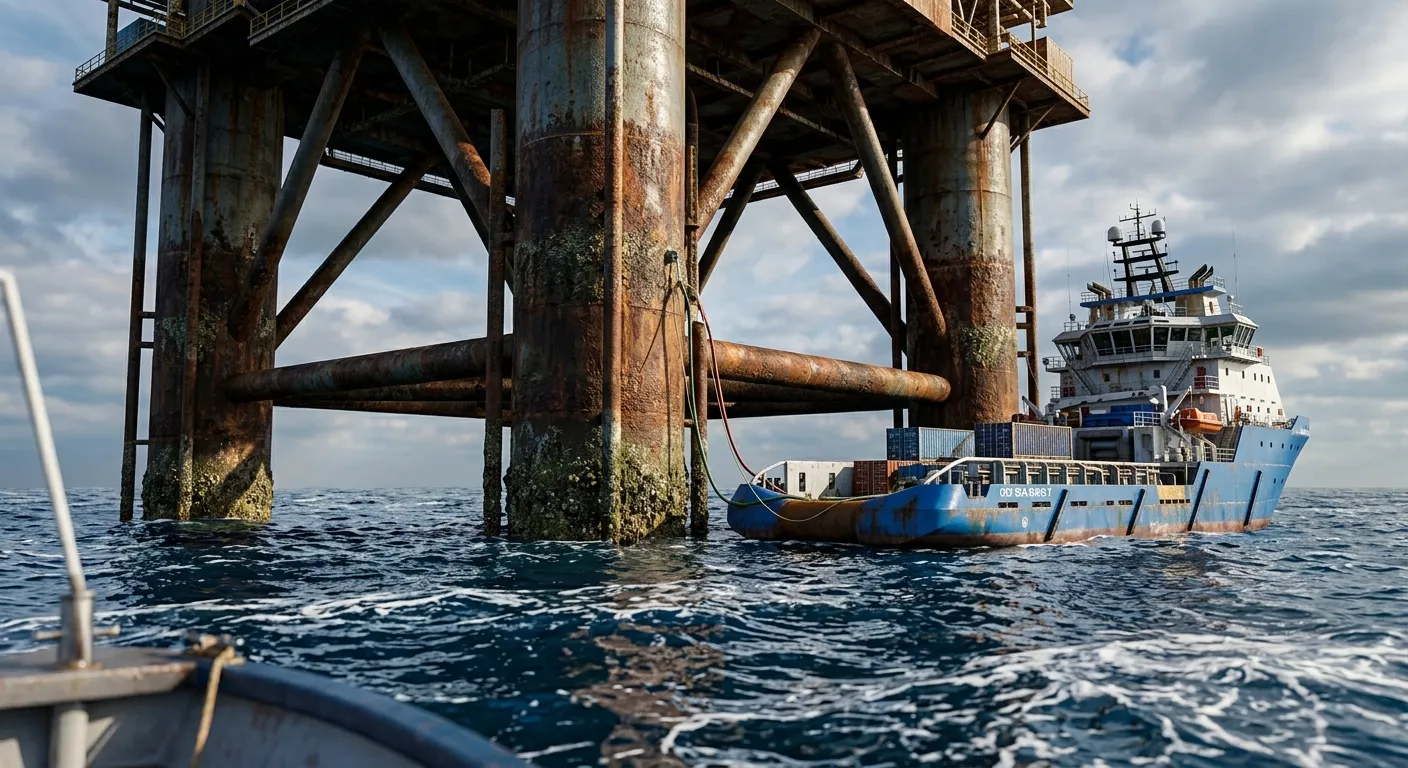
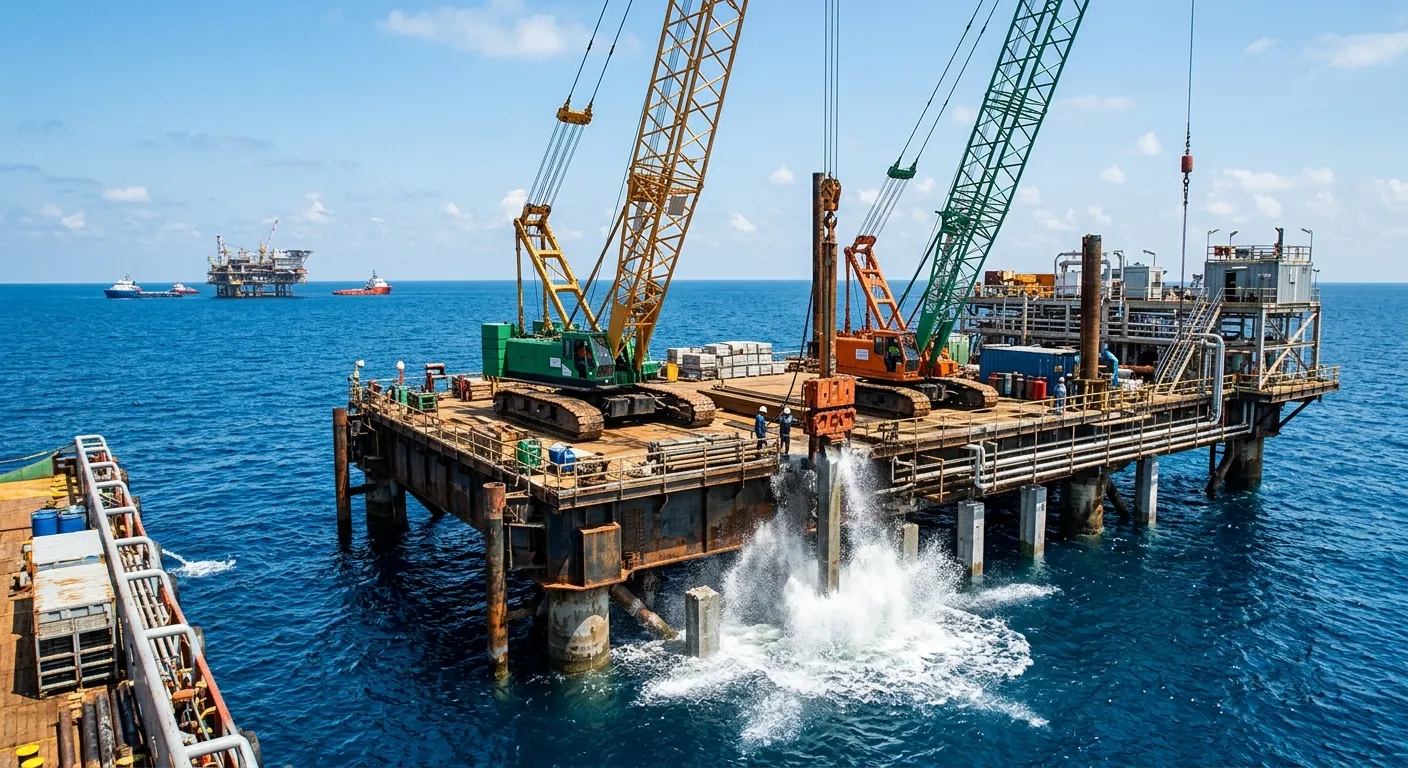
Marine & Offshore

Marine & Offshore

Seawater systems, ballast, hulls and offshore structures.

Operating pain point

Continuous seawater exposure couples titanium to dissimilar metals, and splash-zone duty adds hydrostatic load and vibration on top of the corrosion duty.

Typical matched solution

Marine grade plate and seamless tube with fastener and sacrificial anode packages reviewed against galvanic isolation and the cathodic protection basis.

Review Marine & Offshore
Aerospace & Advanced Engineering

Aerospace & Advanced Engineering

Structural, engine and high-performance components.

Operating pain point

Supply is governed by the specification revision and the drawing, not by a generic grade name, and the approved process has to survive every lot.

Typical matched solution

Ti-6Al-4V plate, bar, billet and closed-die forgings with full heat traceability and first-article inspection to the customer-approved process.

Review Aerospace & Advanced Engineering
Medical & Bioprocessing

Medical & Bioprocessing

Implant, instrument and bioprocess components.

Operating pain point

An implant or bioprocess requirement is not closed by a material certificate — surface condition, cleaning and packaging carry equal weight.

Typical matched solution

Grade 23 ELI plate, bar, wire and precision balls supplied with surface condition, cleaning and packaging evidence agreed to order.

Review Medical & Bioprocessing
Cathodic Protection & Infrastructure

Cathodic Protection & Infrastructure

Pipelines, tanks, concrete and buried assets.

Operating pain point

The protection criterion and the anode-bed geometry decide the design, and an anode dimension on its own does not meet either.

Typical matched solution

MMO linear, ribbon, tubular and disc anodes designed from the design current, with substrate grade and coating loading verified to order.

Review Cathodic Protection & Infrastructure
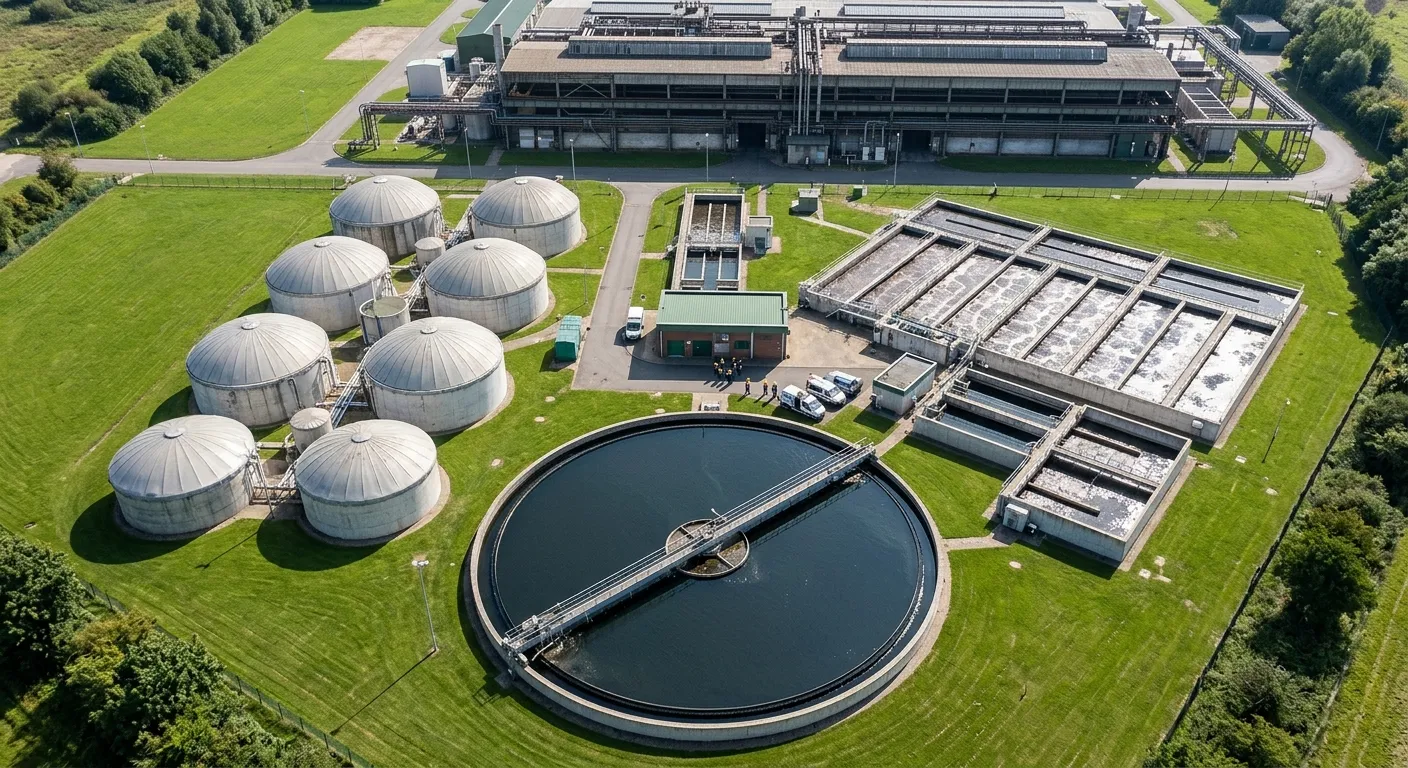
Water Treatment & Desalination

Water Treatment & Desalination

Disinfection, desalination and electrochemical water treatment.

Operating pain point

Water treatment is a chemical duty and a mechanical duty at once — the anode has to survive the chemistry and the cell has to survive the flow.

Typical matched solution

Salt chlorination and hypochlorite cells with MMO anodes, sized from chemistry, flow and current density rather than from tank volume.

Review Water Treatment & Desalination
Electroplating & Surface Finishing

Electroplating & Surface Finishing

Decorative, functional and advanced plating lines.

Operating pain point

A plating anode has to hold a stable current density without shedding into the bath, and the anode is only one part of the cell.

Typical matched solution

Platinised and MMO titanium anodes with baskets, racks and jigs, where substrate grade, geometry and coating type are selected together.

Review Electroplating & Surface Finishing
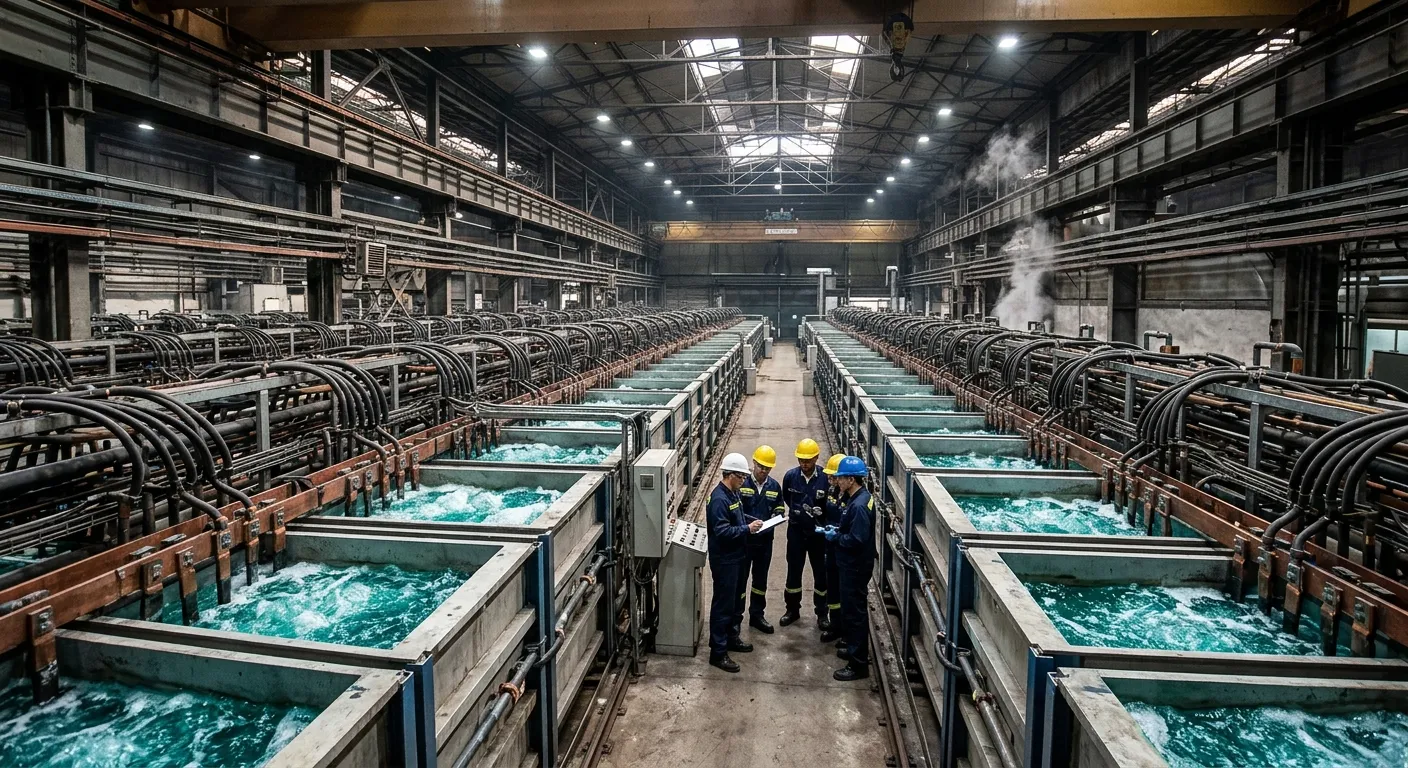
Mining, Electrowinning & Metals

Mining, Electrowinning & Metals

Hydrometallurgy and metal recovery operations.

Operating pain point

Electrowinning deposits metal from solution, so electrolyte purity and current distribution decide the outcome more than the metal does.

Typical matched solution

MMO anodes, titanium cathode baskets and clad copper anodes, selected against the impurity species that concentrate in the anolyte.

Review Mining, Electrowinning & Metals
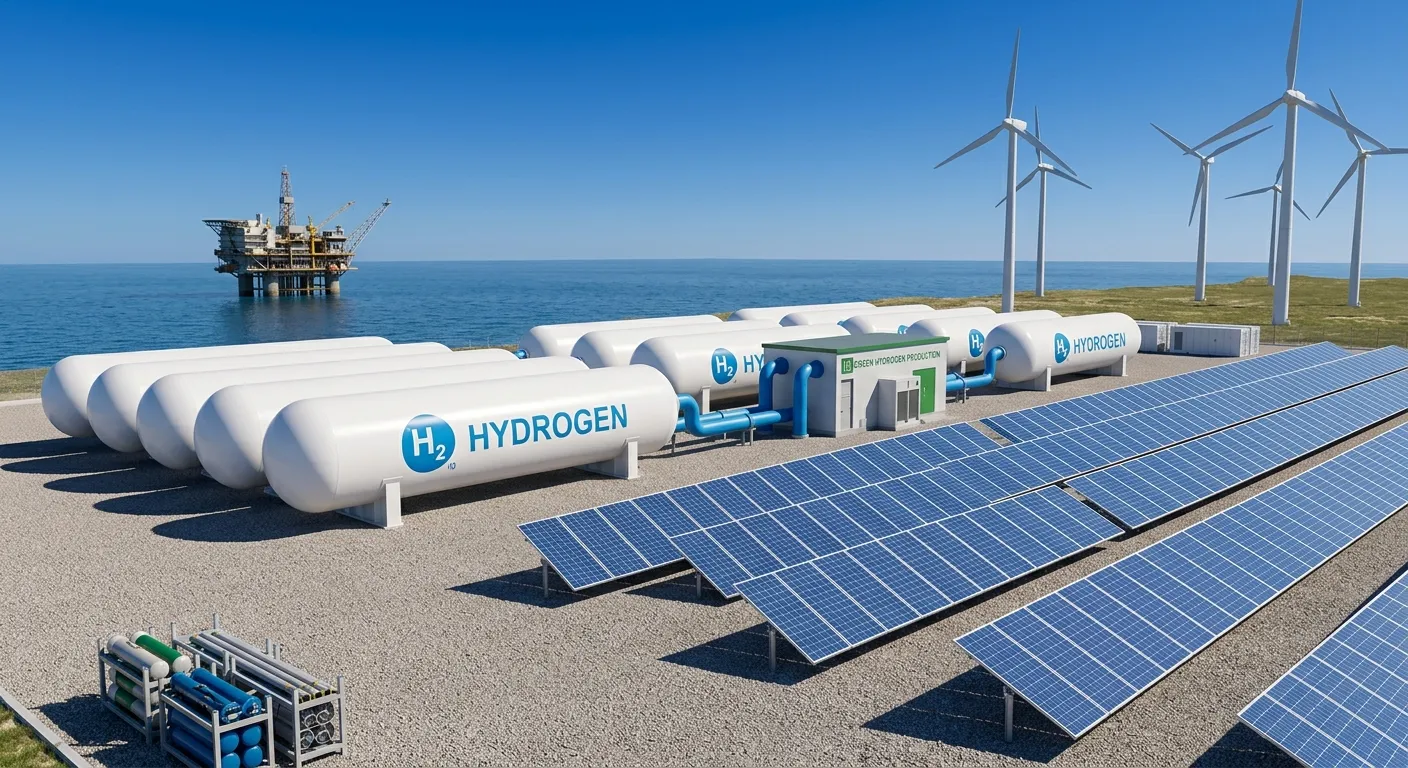
Hydrogen & Energy

Hydrogen & Energy

Green hydrogen production, fuel cells and energy storage.

Operating pain point

A hydrogen project is decided by required output, available power and operating profile — the stack catalogue comes after those three answers.

Typical matched solution

PEM electrolyzer stacks and packaged systems sized from output, purity and pressure, with titanium bipolar plates, frames and fittings.

Review Hydrogen & Energy
Selection Matrix

Match the Industry to Required Engineering Inputs

The same four inputs decide every order. This table maps each sector to the medium, the governing failure risk and the parameters an RFQ has to carry.

Industry, primary medium, key failure risk and the critical RFQ parameters for each sector.
Target Industry Primary Medium Key Failure Risk Critical RFQ Parameters
Chemical & Industrial Processing Chloride-bearing and reducing process media Pitting and crevice corrosion at welds and gasket faces Media composition and concentration; Operating temperature and pressure; Chloride content and oxidising/reducing condition; Design code and governing specification
Marine & Offshore Seawater, ballast and splash zone Galvanic corrosion at mixed-metal joints Immersion depth and exposure regime; Galvanic coupling and isolation detail; Design pressure and vibration duty; Cathodic protection strategy and anode-bed basis
Aerospace & Advanced Engineering Structural, engine and fastener duty Fatigue and stress-corrosion cracking below design life AMS/ASTM specification and revision; Alloy, temper and billet size; Microstructure and machinability requirement; First-article and source-approval conditions
Medical & Bioprocessing Implant, instrument and bioprocess contact Surface contamination and packaging-induced contamination ASTM F136/F348 alloy and condition; Surface finish, roughness and passivation route; Cleaning and sterilisation compatibility; Traceability from melt to delivered part
Cathodic Protection & Infrastructure Soil, seawater and concrete electrolytes Insufficient design current over the protection life Protection criterion and design current; Environment resistivity and installation conditions; Anode-bed geometry and substrate grade; Cable, connection and continuity requirement
Water Treatment & Desalination Brine, seawater and industrial wastewater Scaling and fouling on the electrode surface Feedwater or brine chemistry and impurity load; Production target, flow rate and cell configuration; Current density, efficiency and power basis; Scaling, fouling and gas-release behaviour
Electroplating & Surface Finishing Plating baths: decorative, functional and precious metal Coating shedding and bath contamination Plating chemistry and bath temperature; Required current density and anode-to-workpiece ratio; Anode geometry, surface area and spacing; Platinum loading or MMO coating specification
Mining, Electrowinning & Metals Hydrometallurgical electrolyte and anolyte Impurity build-up and uneven current distribution Electrolyte composition and impurity species; Target metal and current efficiency basis; Anode surface area, spacing and flow arrangement; Impurity control and anolyte management
Hydrogen & Energy Deionised water feed and high-purity hydrogen product Degradation from start-stop cycling and feed quality Required hydrogen output, purity and pressure; Available power supply and operating profile; Stack format, cell count and system scale; Balance of plant and safety requirements

Scroll the table horizontally on a narrow screen.

Qualification Boundary

Industry Relevance Is Not Automatic Qualification

Familiarity with a sector is not the same as an approved order. This section states where that line sits, so the scope of any quotation is unambiguous.

From Technical Inquiry to Qualified Scope

An inquiry becomes a qualified scope through a fixed sequence. The application basis is confirmed first, then the material or coating, then the manufacturing and inspection route. Nothing is committed to a specification until the buyer has approved the basis in writing, and any responsibility not stated in the quotation stays with the buyer or the system integrator.

  1. Application basis confirmed: medium, temperature, pressure, duty and failure risk
  2. Material, coating or system route selected against that basis
  3. Manufacturing route, tolerance and inspection scope agreed
  4. Documentation, marking, packing and delivery scope written into the order
  5. Deviations and buyer-side responsibilities listed explicitly

Specialized Applications Requiring Qualification Review

Some applications carry an approval chain that sits above a normal purchase order. A material certificate is a starting point for those duties, never the approval itself. Each of the sectors below is reviewed case by case before a quotation is issued, and the evidence required is agreed before production starts.

  • Aerospace Specification revision, approved process, source approval and first-article inspection define the order.
  • Medical Implant and bioprocess duty requires surface condition, cleaning, packaging and biocompatibility evidence.
  • Transportation Rail, road and transit equipment are governed by customer specifications and qualification history.
Project Inquiry

Send the Parameters That Control the Decision

These three groups decide whether a quotation can be prepared. Send what you have — a complete specification is not required for the first review.

Material, Coating and Geometry

What the part has to be, and what it has to be made of.

  • Grade, alloy, condition and governing specification with revision
  • Coating system and loading metric with units and measurement method
  • Product form and nominal dimensions
  • Tolerance, surface finish and datum scheme
  • Quantity, marking and packaging requirement

Service Condition and Duty

What the part will actually meet in service.

  • Medium composition, concentration and impurity load
  • Operating temperature, pressure and phase behaviour
  • Current density, voltage, duty cycle and start-stop frequency
  • Exposure regime, immersion depth and environment resistivity
  • Design life and the failure mode being engineered out

Evidence, Delivery and Responsibility

What has to be proven, and where the boundary sits.

  • Required documents: MTC, inspection report, test results, PMI
  • Third-party inspection, witness points and FAT acceptance criteria
  • Delivery destination, packing, marking and export documentation
  • Required schedule and the commercial basis
  • Governing design code, approval route and named responsibilities

Submit Your Application for Review

A project engineer responds within 1 business day.

Click to upload or drag and drop Supported formats: PDF, JPG, PNG, STEP, IGES, STL, DWG (Max 20MB)

Your information will only be used to respond to your inquiry and support your project review. We respect your privacy.

Technical Questions

Technical Questions Before Product Selection

The questions that decide a technical route, answered before a product is named.

Should I start from an industry or from a specification?

Start from the operating condition, not the industry name and not a product code. The medium, the temperature, the current density and the way the part fails in service determine the material and the coating. The industry sector only tells you which of those parameters usually dominates, which is why it is a useful starting point rather than an answer.

Which titanium grade is used for a corrosive chemical service?

There is no default grade for chemical service. Grade 2 is frequently suitable, but the grade has to be confirmed against the actual media, its concentration, the temperature and the oxidising or reducing condition. Chloride content and contamination risk decide the outcome as much as the base metal does.

Does the industry selection guarantee the right product?

No. Selecting an industry route narrows the problem to the parameters that usually control it, but it does not confirm material, coating or geometry. Every order still goes through the same technical review, and the material certificate confirms conformity to the stated order basis rather than fitness for the final application.

What does an RFQ for a titanium anode need to include?

Include the reaction and electrolyte, the operating current density, the required anode geometry and surface area, the coating type and loading metric with units and measurement method, and the connection requirement. Service life cannot be guaranteed from loading alone, so the operating profile, impurities and shutdown practice have to be stated as well.

How much information is needed for a first quotation?

Enough to identify the application basis: the medium, the temperature or duty, the dimensions or drawing, the material or coating requirement and the quantity. A complete specification is not required for the first review. Unknown items are identified during technical communication and confirmed before the order is released.